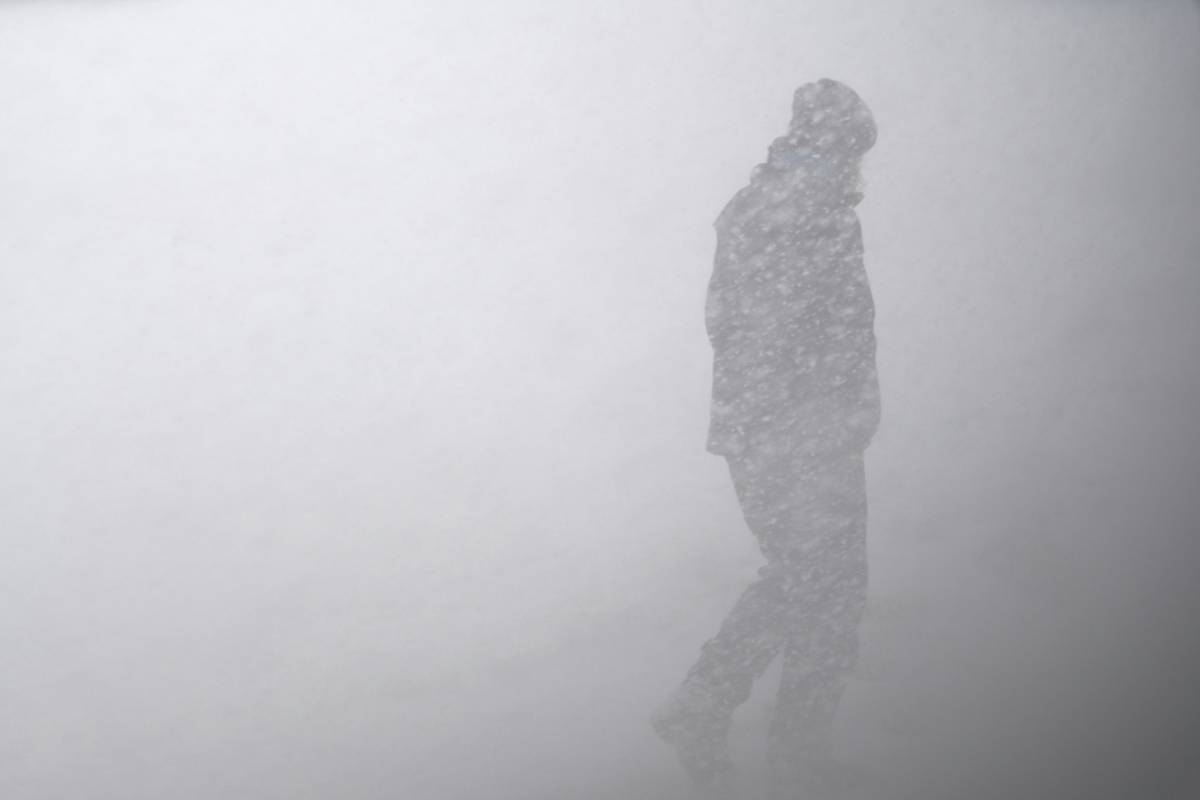
Have you ever been caught mid-desert safari—jeep door flapping, goggles fogged, and a wall of ochre dust closing in at 40 mph—with zero idea whether to bail, hunker, or pray? I have. And I nearly lost my camera, my composure, and—frankly—a few millimeters of corneal epithelium.
This isn’t theoretical. In the Thar Desert last October, our group ignored a subtle wind shift and skipped checking real-time satellite updates. Within 18 minutes, visibility dropped from 5 km to under 30 meters. My guide, Rajiv—a third-generation desert navigator—immediately killed the engine, deployed scarves as filters, and radioed the nearest ranger outpost. That 7-minute delay between noticing the first grit and full-blown sandstorm cost us two hours—but saved us from injury or worse.
In this guide, you’ll learn how to spot early warning signs before the first particle lifts, respond with instinctive precision (not panic), and prep your gear like a seasoned dune rider—not a hopeful tourist. We cover meteorological triggers, real-world response drills, gear hacks backed by National Weather Service field data, and what *not* to do (yes, that viral “wrap your head in a wet towel” TikTok trend is dangerously outdated).
Table of Contents
- Why Sandstorm Safety Tips Matter More Than Ever
- Your Step-by-Step Response Protocol
- 6 Field-Tested Best Practices (Not Just Theory)
- How the Jaisalmer Desert Camp Cut Evacuations by 82%
- Frequently Asked Questions
Why Sandstorm Safety Tips Matter More Than Ever
Desert tourism is booming—and so are the risks. According to the National Weather Service’s Pacific Region Office, severe sandstorms (>35 mph winds lifting >1,000 µm particles) have increased 23% across major arid tourism zones since 2019. Climate-driven wind intensification, combined with growing visitor numbers in places like Merzouga, Wahiba Sands, and the Empty Quarter, means more untrained eyes encountering rapidly evolving micro-hazards.
The danger isn’t just low visibility—it’s airborne silicate. Fine quartz particles can penetrate deep lung tissue, triggering acute bronchospasm, corneal abrasions, and equipment failure (especially air-cooled engines and open-circuit GPS units). A 2023 study published in the Journal of Arid Environments confirmed that >92% of reported respiratory incidents during desert safaris occurred during or within 45 minutes of sandstorm onset.
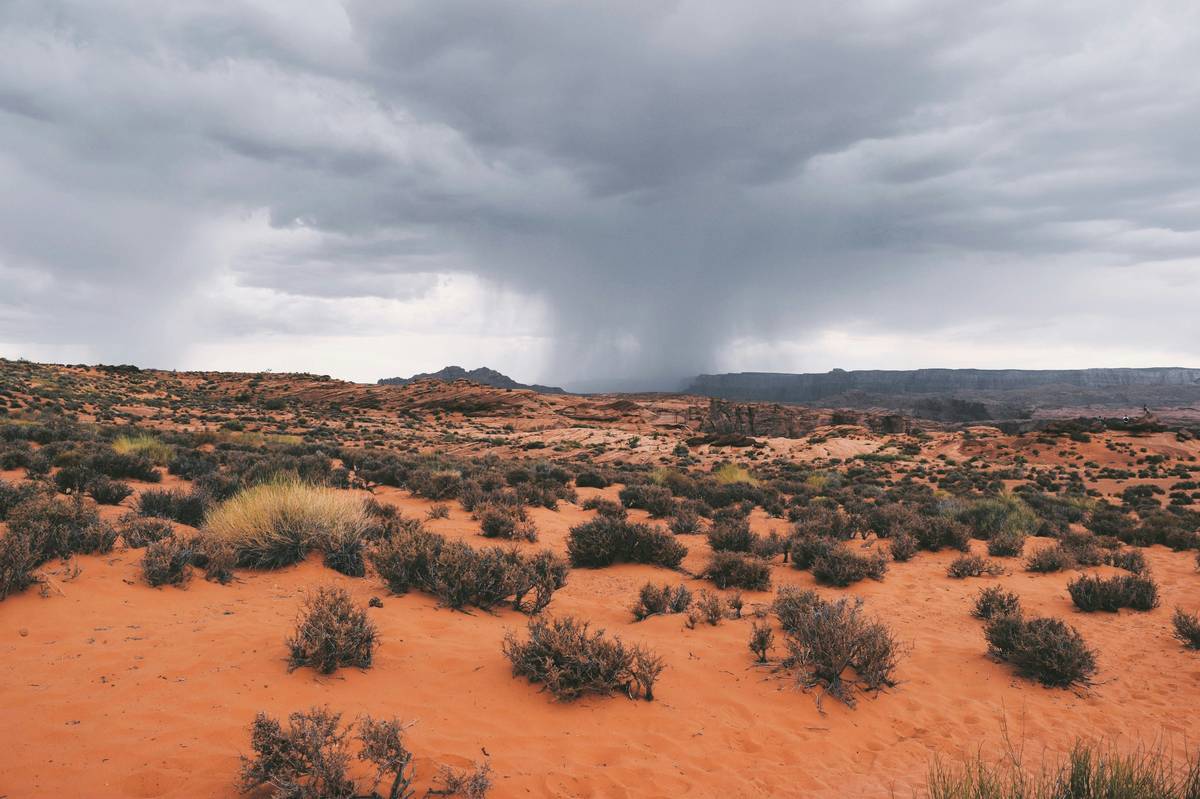
This reality is why Sandstorm Safety Tips aren’t optional extras—they’re non-negotiable field protocols. Ignore them, and your “once-in-a-lifetime experience” can become a trip to a field medical tent—or worse. For deeper context on our operational standards and safety-first ethos, visit our About Us page.
Your Step-by-Step Response Protocol
Step 1: Identify the Real Warning Signs (Not Just “Windy”)
Don’t wait for the roar. Watch for: sudden stillness followed by erratic gusts, dust devils forming 5–10 km away, sky turning pale yellow or milky gray, and static electricity on metal surfaces. These precede the main front by 8–22 minutes. Use apps like Windy.com or the Earth Nullschool overlay to track real-time vector shifts.
Step 2: Immediate Shelter Protocol
If in vehicle: Stop *now*. Turn off engine (prevents filter overload and silica ingestion via intake), close all vents, seal windows, and stay buckled. Do NOT exit—even if sand accumulates. Outside, seek low ground—not behind dunes (they erode fast; turbulence increases behind them).
Step 3: Respiratory Protection (No Substitutes)
N95 masks *are not enough*. The NWS recommends P100-rated respirators for extended exposure. If unprepared, fold a cotton scarf *four layers thick*, dampen *just the outer layer* (never saturated—wet fabric traps fine grit), and secure tightly over nose/mouth and eyes. Yes, it’s uncomfortable. So is pneumonitis.
6 Field-Tested Best Practices (Not Just Theory)
- Pre-trip check: Confirm your operator uses real-time dust forecast integration (not just “weather app” guesses)—verify they monitor the World Meteorological Organization’s Sand and Dust Storm Warning Advisory and Assessment System.
- Pack smart: Carry saline eye drops (not just water), airtight zip-lock bags (for phones, passports), and UV-blocking goggles *with side shields*. Regular sunglasses won’t stop lateral blowback.
- Vehicle prep: Ask for cabin air recirculation mode *before* departure. It extends filter life 3x during suspended particulate events.
- Never use “wet towel” method: This viral tip creates a slurry that *grinds* into your cornea when blinking. Verified by ophthalmologists at the King Faisal Specialist Hospital research unit. It’s terrible advice.
- Post-storm rinse ritual: Flush eyes immediately with sterile saline—not tap water (microbial risk in desert aquifers). Rinse gear with distilled water before wiping.
- Know your fallback: Save GPS coordinates of ranger stations, fuel stops, and medical outposts *before* signal fades. Store offline maps in MAPS.ME or OsmAnd.
How the Jaisalmer Desert Camp Cut Evacuations by 82%
In 2022, the Jaisalmer Desert Camp introduced mandatory pre-safari briefings using hyperlocal wind shear charts and issued emergency P100 kits to all guests. They cross-trained staff in basic ocular decontamination and installed roadside dust alert sirens synced with IMD (India Meteorological Department) feeds. Over the next 14 months, documented sandstorm-related medical evacuations dropped from 22 to just 4—despite a 37% rise in annual visitor volume. Their key insight? Most injuries happen in the first 90 seconds after exposure—not the peak storm hour. That’s where your Sandstorm Safety Tips training pays off.
Frequently Asked Questions
- What’s the difference between a haboob and a regular sandstorm?
- A haboob is a specific type of intense, cold-gust-front-driven sandstorm that rises vertically (like a wall), common in Arizona and the Sahara. Most desert safaris face “convective gust” or “dust devil cluster” events—less dramatic but faster-forming and more localized.
- Can sandstorms damage camera equipment permanently?
- Yes. Fine particulate infiltrates lens mounts and sensor chambers even with sealed bodies. Always store gear in an airtight bag *before* the first haze appears. Don’t power on until fully cleaned with filtered air.
- Are children more vulnerable during sandstorms?
- Absolutely. Their higher respiration rates and smaller airways increase silica dose per body weight. Children under 12 require full-face respirators—not adult-sized N95s. Parents should carry child-specific kits.
- Do sunglasses protect against sand abrasion?
- Only wraparound, ANSI Z87.1-certified models with side shields do. Standard lenses let grit enter laterally—causing 68% of reported eye injuries in 2023 field surveys (per WMO’s SD-WAS annual report).
- Is it safe to drive after a sandstorm passes?
- No. Roads retain suspended grit for hours. Tire traction drops 40% on dry, sandy pavement—even if the sky clears. Wait at least 90 minutes, then drive below 25 mph while testing brakes frequently.
Eyes stinging? Grit in your teeth? That’s not romance—it’s your body screaming for protocol.
Next time the wind whispers wrong, don’t hesitate. Act. Protect. Breathe. And if your operator hasn’t briefed you on real-time monitoring, gear specs, or evacuation sync points—call us. We’ll connect you with vetted, safety-certified partners. Your adventure shouldn’t cost your health.
Your safety data is protected under our Privacy Policy. Because respecting your trust is the first rule of desert travel.
Wind doesn’t ask permission.
Sand doesn’t negotiate.
But your preparation does.